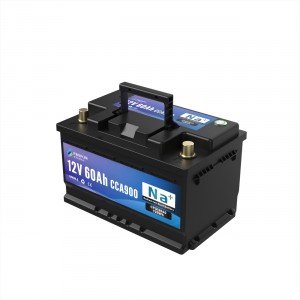
How Sodium-Ion and Lithium-Ion Batteries Work
At their core, both sodium-ion batteries and lithium-ion batteries operate on the same basic principle: the movement of ions between the cathode and anode during charging and discharging cycles. When charging, ions move from the cathode to the anode, storing energy. During discharge, these ions flow back, releasing energy to power devices.
Basic Principles: Ion Movement
- Charging: Positive ions (sodium or lithium) move from the cathode through the electrolyte and settle into the anode.
- Discharging: Ions flow back to the cathode, generating an electric current.
Key Components Differences
While the general design is similar, the materials vary because sodium and lithium behave differently:
- Cathode: Sodium-ion batteries often use layered oxides or phosphate-based compounds suited to sodium’s larger size.
- Anode: Sodium’s larger ion size means common graphite anodes in lithium-ion batteries are less effective; instead, sodium-ion often uses hard carbon or other specialized materials.
- Electrolyte: Sodium-ion electrolytes handle higher voltages suited for sodium ions but can differ chemically from lithium electrolytes.
- Separator: Both battery types use separators to keep electrodes apart and allow ion flow, usually made from similar materials, maintaining compatibility.
Similarities in Design
Interestingly, sodium-ion batteries are designed to be quite compatible with existing lithium-ion manufacturing lines, which means:
- Manufacturers can adapt current factories with minimal changes.
- Production costs benefit from the similarity.
- Form factors like cylindrical or pouch cells remain mostly the same.
This compatibility accelerates the potential scaling of sodium-ion technologies, leveraging the global lithium-ion battery infrastructure.
Direct Head-to-Head Comparison
Let’s compare sodium-ion and lithium-ion batteries side by side to see which one fits your needs better.
| Feature | Sodium-Ion Batteries | Lithium-Ion Batteries |
|---|---|---|
| Energy Density | Lower (~100-160 Wh/kg), heavier and bulkier packs | Higher (~150-250 Wh/kg), lighter and more compact |
| Cost & Raw Materials | Uses abundant, cheap sodium — lowers material costs | Uses scarcer, pricier lithium and cobalt |
| Safety & Thermal Stability | More stable; lower risk of thermal runaway | Higher risk of overheating and fire incidents |
| Cycle Life | Currently shorter, ~1000-2000 cycles | Mature tech; 2000-5000+ cycles |
| Charging Speed | Moderate; performs well in low temperatures | Faster charging but can degrade faster if not managed |
| Temperature Performance | Better at extreme cold and heat | Performance drops significantly in very cold weather |
| Environmental Impact | Easier to recycle, less environmental harm due to raw materials | Mining lithium has higher environmental and ethical costs |
Sodium-ion batteries offer cost advantages and better safety with decent performance, especially for stationary storage and cold climates. Lithium-ion batteries still hold the edge in energy density and cycle life, which is critical for EVs and portable devices.
For deeper insights on battery innovation and market growth trends, explore the detailed updates on sodium-ion battery technology in 2026.
Advantages of Sodium-Ion Batteries
Sodium-ion batteries bring some clear benefits that make them an exciting alternative to lithium-ion. First, sodium is way more abundant and cheaper than lithium, which helps keep raw material costs down. That means sodium-ion battery prices could stay lower, especially as demand grows.
Safety is another big deal—sodium-ion batteries have a lower risk of overheating and thermal runaway compared to lithium-ion. This enhanced safety makes them attractive for applications where reducing fire hazards is critical.
When it comes to handling extreme temperatures, sodium-ion batteries tend to perform better. They can operate efficiently in both cold and hot conditions, meaning fewer worries about battery degradation in harsh climates.
Recycling sodium-ion batteries is generally easier and less harmful to the environment. Sodium’s wider availability and lower toxicity contribute to a smaller environmental footprint, making these batteries a greener choice overall.
Lastly, sodium-ion battery technology offers the potential for faster scaling, especially in grid storage projects. Their lower costs and material abundance position them well for large-scale energy storage solutions, helping support the shift to renewable energy.
For more details on innovative battery solutions and the latest tech trends, you can explore our resources on advanced battery technologies at Propow Energy.
Disadvantages of Sodium-Ion Batteries
While sodium-ion batteries are gaining attention, they come with some downsides that matter for many uses. Here’s what to watch out for:
-
Lower Energy Density: Sodium-ion batteries are generally heavier and bulkier than lithium-ion counterparts. That means for the same size, they store less energy, which can be a drawback for EVs or portable devices where weight and space matter.
-
Limited Cycle Life in Some Designs: Because sodium-ion battery technology is still emerging, some designs don’t last as long as mature lithium-ion batteries. This means fewer charge and discharge cycles before capacity drops noticeably.
-
Production Scale Challenges: Unlike lithium-ion, which benefits from decades of large-scale manufacturing, sodium-ion battery production is still ramping up. The current supply chain and manufacturing scale aren’t quite there yet, leading to limited availability and higher initial costs.
These disadvantages are important when considering sodium-ion batteries against lithium-ion, especially if you need a compact, long-lasting battery for everyday electronics or long-range electric cars.
Advantages and Disadvantages of Lithium-Ion Batteries
Lithium-ion batteries are known for their high energy density, making them the go-to choice for electric vehicles (EVs) and portable electronics. This means they pack a lot of power in a smaller, lighter package, which is great for users who need longer driving ranges or longer-lasting devices.
Another big plus is that lithium-ion is a mature technology. It’s been around for years, with a well-established manufacturing base and proven track record in terms of reliability and cycle life. This maturity translates into widespread availability and a strong support network across the U.S. market.
That said, lithium-ion batteries come with some drawbacks. The main concerns include resource scarcity, as lithium and cobalt are limited and often sourced from conflict regions, which can drive prices up. Speaking of costs, lithium-ion batteries tend to be more expensive than sodium-ion batteries, impacting overall affordability.
Safety is also a factor—there’s a higher risk of thermal runaway and fires if the battery is damaged or improperly handled, which is something manufacturers and consumers keep a close eye on.
Overall, while lithium-ion batteries lead in energy density and proven performance, these disadvantages like cost and safety risks keep the door open for alternatives like sodium-ion batteries in certain applications.
Real-World Applications in 2026
In 2026, sodium-ion batteries are making a solid mark, especially in stationary storage and grid-scale projects. Their affordability and reliable performance at lower costs make them a natural fit for large energy storage systems and low-speed electric vehicles (EVs), like electric bikes and city delivery vans. These use cases benefit from sodium-ion’s strength in safety and handling extreme temperatures without major issues.
On the flip side, lithium-ion batteries still dominate in high-performance EVs and consumer electronics. Their high energy density powers everything from Teslas to your smartphone, delivering longer range and compact size that sodium-ion currently can’t match.
Hybrid approaches are also gaining traction. Some companies are blending sodium-ion and lithium-ion cells in battery packs to get the best of both worlds—combining cold-weather resilience with higher energy density. This trend is especially popular in regions with harsh winters, where sodium-ion’s temperature performance can help EV startups.
Overall, the real-world footprint for sodium-ion batteries in 2026 is focused on grid storage and lower-demand EVs, while lithium-ion remains the go-to for high-end portable tech and long-range electric cars.
Current Market Status and Future Outlook (2026-2030)
Cost-wise, sodium-ion batteries are closing the gap with lithium iron phosphate (LFP) lithium-ion batteries. Thanks to abundant raw materials like sodium, prices are trending downward, making sodium-ion packs a competitive option for large-scale storage. By the late 2020s, many experts expect sodium-ion tech to reach cost parity with LFP, potentially shaking up the market.
This shift could disrupt traditional lithium-ion dominance, especially where energy density isn’t the top priority. Sodium-ion batteries bring solid safety and sustainability benefits, which appeal to utility-scale projects and cold-climate applications in the U.S.
Brands like PROPOW are leading innovation, focusing on reliable manufacturing and improved cycle life. Their advances help sodium-ion batteries carve a niche, especially in stationary storage and emerging electric vehicle markets tailored for affordability and safety.
In short: Sodium-ion batteries are on track to become a key player in the next decade, offering a lower-cost, safer, and more sustainable alternative to lithium-ion, with expanding production and growing market acceptance.
Which Battery Is Better for Your Needs?
Choosing between sodium-ion batteries and lithium-ion batteries depends a lot on what you need them for. Here’s a quick guide based on typical U.S. use cases like EVs, home storage, and industrial projects.
Electric Vehicles (EVs)
- Lithium-ion batteries usually win here because of their higher energy density. They let you drive farther on a single charge without adding too much weight.
- Sodium-ion batteries are improving but still heavier and bulkier, so they’re better suited for low-speed EVs or city driving where range isn’t as critical.
- Consider: If you’re looking for long-range or high performance, lithium-ion is still your best bet in 2026.
Home Energy Storage
- Sodium-ion batteries offer a more affordable and safer option for home solar storage systems. Their thermal stability means less risk of fire, which is great for indoor use.
- They handle temperature swings better, perfect for various U.S. climates.
- Consider: If budget and safety are top priorities, sodium-ion batteries work well here.
Industrial and Grid Storage
- This is where sodium-ion batteries shine. Their lower cost and abundant raw materials make them ideal for large-scale, stationary energy storage, like balancing grid power or renewable energy.
- Lithium-ion can work but gets expensive at very large scales.
- Consider: For long-term, cost-effective industrial use, sodium-ion batteries present real advantages.
Key Factors to Consider
- Budget: Sodium-ion packs generally cost less today, but lithium-ion remains competitive.
- Range & Performance: Lithium-ion batteries provide higher energy density, essential for long-range EVs.
- Climate: Sodium-ion batteries handle extreme temperatures better, ideal for harsh environments.
- Safety: Sodium-ion batteries have a lower risk of thermal runaway, making them safer in homes and certain industries.
In , if you want a lightweight, high-performance battery for your EV, lithium-ion is better right now. But for affordable, safe, and durable energy storage — especially in homes or industrial settings — sodium-ion batteries could be the smarter choice as the technology scales in the U.S. market.
Post time: Dec-17-2025