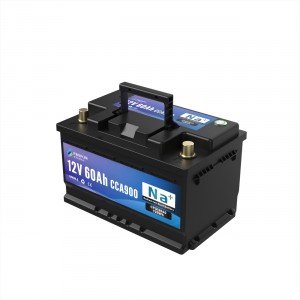
With lithium prices swinging and demand for affordable energy storage soaring, the question on everyone’s mind is: are sodium-ion batteries cheaper than lithium in 2025? The short answer? Sodium-ion batteries show real promise for cost savings thanks to abundant raw materials and simpler components—but right now, their prices are roughly neck and neck with budget-friendly lithium-ion variants like LFP. If you’re curious how this comparison impacts everything from EVs to grid storage and which technology might power the future, you’re in the right place. Let’s cut through the hype and get to the facts.
Understanding the Basics: Sodium-Ion vs. Lithium-Ion Batteries
Sodium-ion batteries and lithium-ion batteries operate on a similar principle—the movement of ions between the cathode and anode during charging and discharging. Both use layered structures that allow ions to shuttle back and forth, creating an electric current. However, the key difference lies in the materials they rely on. Sodium-ion batteries use sodium, a plentiful element derived mainly from common salt, making it widely available and low-cost. In contrast, lithium-ion batteries depend on lithium, a rarer element that faces supply limitations and higher extraction costs.
The sodium-ion battery technology has been studied since the 1970s but has only recently gained traction as a promising alternative to lithium-ion batteries. Today, lithium-ion remains the dominant battery technology in the market, powering everything from smartphones to electric vehicles. However, with increasing concerns over lithium supply and price volatility, sodium-ion batteries are attracting attention, especially for applications where cost and raw material availability are key. Leading manufacturers like CATL and BYD are actively developing sodium-ion battery technology, signaling a growing market presence as we approach 2026.
Raw Material Costs: The Foundation of Potential Savings
One of the biggest reasons sodium-ion batteries can be cheaper than lithium-ion is the raw material costs. Sodium is about 1,000 times more abundant than lithium and is easier to extract, mostly coming from common salt. This abundance gives sodium a huge advantage in price stability and availability.
Here’s a quick comparison of key raw materials:
| Material | Approximate Cost (2026 est.) | Notes |
|---|---|---|
| Sodium carbonate (Na2CO3) | $300 - $400 per ton | Easily sourced from salt deposits |
| Lithium carbonate (Li2CO3) | $8,000 - $12,000 per ton | Scarce and geopolitically sensitive |
Beyond raw salts, sodium-ion batteries use aluminum foil for both anode and cathode current collectors, which is cheaper and lighter than the copper foil used on the anode side in lithium-ion batteries. This switch cuts down on material costs significantly.
Overall, these differences suggest that at full scale sodium-ion battery materials could be 20-40% cheaper than lithium-ion, thanks to cheaper inputs and simpler processing. This cost potential draws a lot of interest, especially as lithium prices fluctuate.
For more on battery materials and cost factors, check out detailed insights on battery raw material costs.
Current Production Costs in 2026: Reality Check
As of 2026, sodium-ion battery prices generally fall in the range of $70 to $100 per kWh. This is quite close to the cost of lithium-ion batteries, especially lithium iron phosphate (LFP) types, which hover around $70 to $80 per kWh. The main reason for this price parity is that sodium-ion technology is still in the early stages of mass production. In contrast, lithium-ion batteries benefit from well-established, mature supply chains and large-scale manufacturing, which bring down overall costs.
Leading manufacturers like CATL with their Naxtra series and BYD, who are investing heavily in sodium-ion battery technology, have helped push the costs down, but these economies of scale haven't yet caught up with lithium-ion’s long history. Additionally, recent price drops in lithium, thanks to increased mining output and alternative sources, have narrowed sodium-ion’s short-term cost advantage.
For those interested in a detailed look at battery advances, exploring sodium-ion battery technology reveals how manufacturers are working hard to make sodium-ion competitive with lithium-ion in the near future.
Detailed Cost Comparison: Sodium-Ion vs Lithium-Ion Batteries
To understand if sodium-ion batteries are cheaper than lithium-ion, it helps to break down costs by components and look at both cell-level and pack-level expenses.
| Component | Sodium-Ion Battery Cost | Lithium-Ion Battery Cost (LFP) | Notes |
|---|---|---|---|
| Cathode | Lower (cheaper materials) | Higher (costly lithium materials) | Sodium uses abundant, low-cost salt-based cathodes |
| Anode | Aluminum foil (cheaper) | Copper foil (more expensive) | Na-ion uses aluminum foil on anode & cathode, Li-ion needs copper foil on anode |
| Electrolyte | Slightly lower cost | Standard cost | Electrolytes are similar but Na-ion can sometimes use cheaper salts |
| Cell Manufacturing | Moderate | Mature and optimized | Li-ion benefits from decades of mass production |
| Pack-Level Assembly | Similar costs | Similar costs | Electronics and BMS costs are comparable |
| Lifetime Costs | Higher due to cycle life | Lower with longer cycle life | Li-ion typically lasts longer and holds charge better |
Key Points:
- Material savings: Sodium-ion materials reduce raw material cost by about 20-40% because sodium is more abundant and cheaper than lithium.
- Aluminum vs. copper: Using aluminum foil for both electrodes in Na-ion cuts costs compared to lithium-ion’s copper anode foil.
- Manufacturing scale: Lithium-ion batteries benefit from massive, optimized supply chains, which keeps their overall prices competitive.
- Lifetime factors: Sodium-ion batteries often have shorter cycle life, which can raise the effective cost over time despite cheaper upfront material costs.
- Pack-level costs don’t differ much between the two since the battery management systems (BMS) and assembly processes are similar.
While sodium-ion battery prices show promise at the cell component level, overall costs at the pack level and over the battery’s lifetime narrow the gap with lithium-ion. Today, lithium-ion’s mature manufacturing and longer lifespan keep their prices competitive, especially in the U.S. market.
Performance Trade-Offs Affecting Overall Value
When comparing sodium-ion battery vs lithium-ion battery, one big factor is energy density. Sodium-ion batteries typically offer between 100-170 Wh/kg, while lithium-ion batteries range from 150-250 Wh/kg. This means Li-ion packs hold more energy in the same weight, which is a big plus for things like EVs where space and weight matter.
But there’s more to the story. Na-ion batteries usually have decent cycle life—how many charge/discharge cycles they last—but they can still lag a bit behind lithium-ion in this area. Charging speed is fairly comparable, although Li-ion batteries may charge faster in some cases. Where sodium-ion shines is in temperature performance: they handle cold weather better and have a much lower fire risk, making them safer for home storage and certain climates.
All these factors affect the effective cost per kWh over time. While sodium-ion batteries might have a lower upfront cost on materials, their lower energy density and slightly shorter lifespan can increase the cost per usable kWh in the long run. However, for applications where safety and cold-weather reliability matter more than max energy density—like grid storage or entry-level EVs—Na-ion batteries can deliver great overall value.
Applications Where Sodium-Ion Could Shine on Cost
Sodium-ion batteries are shaping up as a cost-effective option for specific uses where their strengths really matter. Here’s where they make the most sense:
-
Stationary Energy Storage: For grid-scale systems and home energy setups, sodium-ion batteries offer a cheaper alternative. Since these applications don’t require super high energy density, sodium-ion’s slightly lower capacity is less of an issue. Their lower raw material costs and better safety features make them attractive for storing solar or wind energy reliably.
-
Entry-Level EVs and Micro-Mobility: Electric vehicles designed for city driving or short trips, like e-bikes, scooters, and small cars, can benefit from sodium-ion tech. Here, affordability and safety matter more than max range. Sodium-ion batteries help keep costs down while still delivering decent performance for everyday use.
-
Extreme Climate and Supply Chain Sensitive Areas: Sodium-ion batteries perform better in cold temperatures and don’t rely on lithium, which faces supply chain volatility. This makes them a smart choice for regions in the U.S. with harsh winters or places where lithium sourcing is a challenge.
In these markets, sodium-ion battery cost savings can be more than just on paper—they translate into real options for consumers and businesses looking for dependable, affordable energy storage or mobility solutions.
Future Projections: When Will Sodium-Ion Batteries Become Truly Cheaper?
Looking ahead, sodium-ion battery prices are expected to drop significantly as production scales up between 2026 and 2030. Experts forecast costs could fall to around $40-50 per kWh once manufacturers streamline processes and invest in new technology. This would make sodium-ion batteries a much cheaper alternative to lithium-ion options, especially for the U.S. market focused on cost-effective, large-scale energy storage.
A big part of this cost drop depends on improving the energy density of sodium-ion batteries, currently lower than lithium-ion. Better performance means more usable energy per battery, which reduces the overall cost per kWh. Also, ongoing volatility in lithium prices could keep sodium-ion batteries attractive, since sodium resources are abundant and stable in price.
Leading companies like CATL and BYD are pushing sodium-ion battery technology forward, helping drive down production costs through innovation and scale. As these manufacturers ramp up output, expect sodium-ion battery prices to become more competitive — not just in grid storage, but also for entry-level EVs and stationary applications where affordability matters most.
Challenges and Limitations for Sodium-Ion Adoption
While sodium-ion batteries offer some clear cost and environmental benefits, there are still some challenges slowing their wider use. One big hurdle is supply chain maturity. The sodium-ion battery market is still young, meaning manufacturing processes aren’t as refined or scaled up as lithium-ion’s. This leads to higher upfront costs and limited availability.
Another challenge is stiff competition from advanced lithium iron phosphate (LFP) batteries. LFP tech keeps getting better and cheaper, narrowing the price gap that sodium-ion batteries hoped to exploit. Plus, many companies already have well-established lithium supply chains, making it harder for sodium-ion to break in.
That said, sodium-ion batteries do have strong environmental and geopolitical advantages. Sodium is abundant and easier to source domestically in the U.S., which lowers risks tied to lithium mining hotspots and supply disruptions. But the trade-off remains in performance—lower energy density and shorter range still hold sodium-ion batteries back for many EV applications.
In the U.S. market, sodium-ion batteries may first gain traction in stationary storage or budget-friendly EV segments where cost and safety matter more than top-tier performance. But overall, for sodium-ion battery technology to really take off, manufacturers need to tackle scale, improve efficiency, and keep closing the performance gap with lithium-ion.
Post time: Dec-18-2025