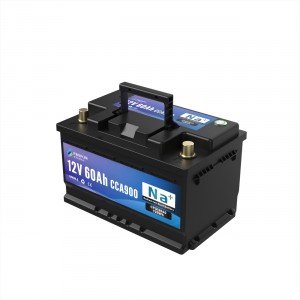
What Are Sodium-Ion Batteries and Why Do They Matter?
Sodium-ion batteries are rechargeable energy storage devices that use sodium ions (Na⁺) to carry charge, much like lithium-ion batteries use lithium ions. The basic technology involves moving sodium ions between a positive electrode (cathode) and a negative electrode (anode) during charging and discharging cycles. Because sodium is abundantly available and cheaper than lithium, sodium-ion batteries offer a promising alternative energy storage solution.
Key Advantages of Sodium-Ion Technology
- Cost-Effective Raw Materials: Sodium is widely found and less expensive than lithium, reducing battery production costs.
- Better Cold-Weather Performance: Sodium-ion batteries tend to maintain efficiency in lower temperatures, where lithium-ion struggles.
- Improved Safety: These batteries have a lower risk of overheating and fire, making them safer for many applications.
- No Lithium Dependency: As the demand for lithium continues to surge, sodium-ion batteries help diversify supply chains and reduce reliance on a limited resource.
Drawbacks Compared to Lithium-Ion
- Lower Energy Density: Sodium ions are heavier and larger than lithium ions, resulting in lower energy storage per weight. This makes sodium-ion batteries less ideal for high-performance electric vehicles where range is critical.
Role in the Energy Transition
Sodium-ion batteries aren’t replacing lithium-ion outright. Instead, they complement lithium-ion batteries by addressing cost-sensitive markets such as grid storage and budget-friendly electric vehicles. Their blend of affordability, safety, and cold-weather resilience positions sodium-ion technology as a key player in expanding clean energy access globally.
In short, sodium-ion batteries matter because they offer a practical, lower-cost alternative that supports the broader push for sustainable energy without the supply risks tied to lithium.
Current Commercial Availability Status (2026 Update)
Sodium-ion batteries have moved well beyond the lab and into commercial reality as of 2026. After early prototypes emerged in the 2010s, the technology entered mass production between 2026 and 2026. Now, 2026–2026 marks the phase where these batteries are being rolled out at scale across various applications.
China is leading the charge, driving adoption with strong government support and established supply chains. This has helped create a global push, expanding manufacturing and distribution networks beyond Asia to Europe, the US, and India. The growing commercial availability of sodium-ion batteries is making a noticeable impact, especially in energy storage and cost-sensitive EV segments.
This transition phase sets the stage for sodium-ion battery market growth worldwide, fueled by regional players leveraging cheaper raw materials and innovative manufacturing methods. For detailed insights on industrial-scale sodium-ion integration, check out PROPOW’s work in monitoring and deploying sodium-ion technology in real-world projects.
Real-World Applications and Availability
Sodium-ion batteries are making their mark in several key areas, especially where cost and safety are top priorities. Here’s where you’ll find them today:
-
Energy Storage Systems (ESS): Sodium-ion batteries are powering utility-scale grid projects, helping balance renewable energy supply and demand. Their lower cost and better cold-weather performance make them ideal for large, stationary storage, especially in regions with harsh winters.
-
Electric Vehicles (EVs): While still behind lithium-ion in energy density, sodium-ion tech is already used in low-speed scooters, micro-cars, and some emerging passenger EVs. These applications benefit from sodium-ion’s safety edge and lower price, making affordable, safer EVs more accessible.
-
Industrial and Backup Power: Data centers, uninterruptible power supplies (UPS), and off-grid power setups are turning to sodium-ion batteries for reliable backup solutions. Their reduced fire risk and longer life under moderate use appeal in mission-critical environments.
When it comes to buying, most sodium-ion batteries are currently sold through B2B channels, with China leading production and distribution. However, the supply chain and commercial availability are expanding quickly across Europe, the U.S., and India, opening more doors for American businesses needing cost-effective energy storage or EV batteries.
In , sodium-ion battery availability in 2026 is real but mostly targeted at industrial buyers and emerging mobility markets, with adoption steadily growing within the U.S. and global markets.
Sodium-Ion vs Lithium-Ion: A Side-by-Side Comparison
Here's a quick look at how sodium-ion batteries stack up against the familiar lithium-ion batteries across key factors:
| Feature | Sodium-Ion Batteries | Lithium-Ion Batteries |
|---|---|---|
| Energy Density | Lower (around 120-150 Wh/kg) | Higher (200-260+ Wh/kg) |
| Cost | Cheaper raw materials, less expensive overall | Higher cost due to lithium and cobalt |
| Safety | Better fire resistance, safer in extreme conditions | More prone to overheating and fire risks |
| Cycle Life | Slightly shorter but improving | Generally longer-lasting |
| Temperature Performance | Performs better in cold climates | Less efficient below freezing |
Best Uses for Sodium-Ion Batteries
- Budget-friendly energy storage solutions
- Applications in cold weather (northern US winters, colder states)
- Safety-critical environments like backup power or industrial systems
Market Outlook
Sodium-ion is expected to grow fast in stationary storage markets by 2030, especially where cost and safety outweigh the need for maximum energy density. For now, lithium-ion remains dominant in high-performance EVs, but sodium-ion is carving out its niche, especially in grid storage and affordable electric vehicles.
If you're looking for commercial sodium-ion products or to understand where it fits in the U.S. market, this battery tech offers a promising, safer, and cheaper alternative—especially where harsh winters or budget limits matter most.
Challenges and Limitations of Sodium-Ion Batteries
While sodium-ion batteries are making steady commercial progress, they still face some clear challenges.
-
Lower energy density: Compared to lithium-ion batteries, sodium-ion tech can’t pack as much energy into the same size or weight. This limits its use in high-performance electric vehicles where range and power are top priorities.
-
Supply chain gaps: Although sodium is abundant and cheaper than lithium, the overall supply chain for sodium-ion batteries isn’t as mature. That means fewer established suppliers, less manufacturing scale, and higher early-stage prices compared to lithium-ion.
-
Scaling for EVs: Developing sodium-ion batteries that work well in demanding EV applications is tough. Engineers are working on boosting energy density and cycle life to move beyond low-speed vehicles and stationary storage.
-
Ongoing innovations: There’s active R&D focused on improving performance and bringing down costs. Innovations in materials, cell design, and battery management systems aim to close the gap with lithium-ion batteries over the next few years.
For U.S. customers looking for safer, more affordable storage or EV options in cold climates, sodium-ion batteries are promising but still a growing market. Understanding these challenges helps set realistic expectations about where sodium-ion fits today — and where it can go tomorrow.
Future Outlook and Market Growth for Sodium-Ion Batteries
Sodium-ion batteries are on track to see solid growth over the next decade, especially driven by China’s massive production plans. Experts expect production to hit tens of gigawatt-hours (GWh) by the late 2020s. This scale-up will play a big role in making electric vehicles (EVs) and energy storage systems more affordable and reliable, especially here in the U.S., where energy security and cost cuts are top priorities.
Look for sodium-ion batteries to help lower overall EV and grid storage costs without relying on expensive lithium. This is great for budget-conscious buyers and industries running on tight margins. Plus, sodium-ion tech’s safer chemistry means fewer fire risks, which boosts its appeal in public and commercial spaces.
Emerging trends to watch include hybrid battery packs combining lithium-ion and sodium-ion cells. These packs aim to balance high energy density with cost and safety benefits. Also, next-generation sodium-ion batteries are pushing energy densities past 200 Wh/kg, closing the gap with lithium-ion and opening doors for wider EV use.
All in all, sodium-ion battery market growth looks promising—offering a competitive, sustainable battery option that could reshape how America powers its vehicles and grids in the years ahead.
Post time: Dec-19-2025