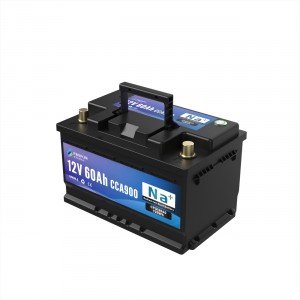
With the surge in electric vehicles and renewable energy, sodium-ion batteries are grabbing attention as a potential game-changer. But are they really the future of energy storage? Considering concerns over lithium’s cost and supply constraints, sodium-ion technology offers an intriguing alternative—promising lower costs, enhanced safety, and greener materials. Yet, it’s not a simple lithium replacement. If you want to cut through the hype and understand where sodium-ion batteries fit in tomorrow’s energy landscape, you’re in the right place. Let’s unpack why this technology could reshape parts of the market—and where it still falls short.
How Sodium-Ion Batteries Work
Sodium-ion batteries operate on a simple yet effective principle: sodium ions move back and forth between the cathode and anode during charging and discharging. This movement stores and releases electrical energy, similar to how lithium-ion batteries function.
Basic Principles
- Ion Transfer: Sodium ions (Na⁺) shuttle between the cathode (positive electrode) and anode (negative electrode).
- Charge/Discharge Cycle: When charging, sodium ions move from the cathode to the anode. When discharging, they flow back, generating electrical current.
Key Materials
Sodium-ion battery technology uses different materials compared to lithium-ion batteries to accommodate sodium’s larger ion size:
| Battery Component | Sodium-Ion Materials | Role |
|---|---|---|
| Cathode | Layered oxides (e.g., NaMO₂) | Holds sodium ions during charging |
| Alternative Cathode | Prussian blue analogs | Provides stable framework for ions |
| Anode | Hard carbon | Stores sodium ions during discharge |
Sodium-Ion vs. Lithium-Ion Mechanics
- Both use ion transport between electrodes to store energy.
- Sodium ions are larger and heavier than lithium ions, requiring different materials and affecting energy density.
- Sodium-ion batteries generally operate at a slightly lower voltage but offer similar charge/discharge behavior.
Understanding these basics helps clarify why sodium-ion battery technology is gaining interest as a sustainable and cost-effective alternative in the energy storage market.
Advantages of Sodium-Ion Batteries
One of the biggest advantages of sodium-ion batteries is the abundance and low cost of sodium compared to lithium. Sodium is widely available and evenly distributed globally, which significantly cuts down raw material costs and supply risks. This is a major benefit in the face of lithium scarcity and increasing prices, making sodium-ion battery technology a promising alternative, especially for large-scale applications.
Safety is another strong point. Sodium-ion batteries generally have a lower risk of thermal runaway, meaning they’re less likely to catch fire or overheat. They also perform better in extreme temperatures—both hot and cold—making them reliable in varied climates across the United States.
From an environmental standpoint, sodium-ion batteries reduce reliance on critical and often problematic minerals like cobalt and nickel, which are commonly used in lithium-ion cells. This means fewer ethical concerns and less environmental impact associated with mining and resource extraction.
Additionally, some sodium-ion chemistries support fast charging and offer good longevity, making their performance competitive in certain applications. These factors together make sodium-ion batteries not just cost-effective but also safer and more sustainable alternatives.
For a deeper look into cost and safety advantages, check out the sodium-ion battery technology overview.
Disadvantages and Challenges of Sodium-Ion Batteries
While sodium-ion batteries bring some exciting benefits, they also come with challenges that affect their widespread use, especially in the U.S. market.
-
Lower Energy Density: Sodium-ion batteries generally have an energy density around 160-200 Wh/kg, which is less than lithium-ion batteries that often exceed 250 Wh/kg. This means electric vehicles (EVs) using sodium-ion batteries may have a shorter driving range and bulkier packs, which limits portability and long-distance travel.
-
Cycle Life and Performance Gaps: Although advancements are ongoing, sodium-ion batteries currently don’t match the long cycle life and consistent performance of premium lithium-ion cells. For high-demand applications like premium EVs or critical portable devices, sodium-ion still needs to catch up.
-
Scaling and Production Challenges: Sodium-ion battery technology supply chains are less mature than lithium-ion’s. This leads to higher initial production costs and logistical hurdles when ramping up to large-scale manufacturing. Developing raw material processing and expanding manufacturing capacity remain key focus areas for industry players.
Despite these drawbacks, ongoing improvements in sodium-ion battery technology and increasing investments suggest many of these barriers will lessen over the next few years. For U.S. markets focused on cost-effective energy storage and mid-range vehicles, these batteries still offer a compelling alternative worth watching. For more on sodium-ion battery technology developments and market trends, check out PROPOW’s insights on sodium-ion batteries.
Sodium-Ion vs. Lithium-Ion: Head-to-Head Comparison
When deciding if sodium-ion batteries are the future, it helps to compare them directly with lithium-ion batteries across key factors like energy density, cost, safety, cycle life, and temperature tolerance.
| Feature | Sodium-Ion Battery | Lithium-Ion Battery |
|---|---|---|
| Energy Density | 160-200 Wh/kg | 250+ Wh/kg |
| Cost per kWh | Lower (due to abundant sodium) | Higher (lithium and cobalt costs) |
| Safety | Better thermal stability, less risk of fire | Higher thermal runaway risk |
| Cycle Life | Moderate, improving but shorter | Longer, well-established |
| Temperature Range | Performs better in cold and hot conditions | More sensitive to extreme temps |
Best use cases:
- Sodium-ion batteries shine in stationary energy storage where weight and compact size aren’t a deal-breaker. They’re ideal for grid storage and backup power systems, thanks to their safety and cost.
- Lithium-ion batteries still lead in high-performance EVs and portable devices where maximizing energy density and cycle life is critical.
In the U.S. market, sodium-ion tech is gaining traction for affordable, safe energy solutions—especially for utilities and urban mobility with shorter range needs. But for now, lithium-ion remains king for long-range EVs and premium products.
Current Commercialization Status in 2026
Sodium-ion batteries are making big strides in 2026, moving from labs into real-world use. which has set a new standard for affordable, safe sodium-ion battery packs. Meanwhile, companies like HiNa Battery are pushing large-scale projects, ramping up production to meet growing demand, especially in China, the clear leader in manufacturing capacity.
We’re also seeing more facilities outside China starting up, signaling a broader global push for sodium-ion battery production. This growth helps address supply chain challenges and lowers costs over time.
In real-world applications, sodium-ion batteries are already powering grid-scale energy storage systems, helping utilities manage renewable energy better. They’re also found in low-speed EVs and hybrid systems, where cost and safety are key. These deployments prove sodium-ion batteries aren’t just theoretical—they’re usable and reliable today, setting the foundation for wider adoption in the U.S. and beyond.
Applications and Future Potential of Sodium-Ion Batteries
Sodium-ion batteries are finding their sweet spot in several important areas, especially where cost and safety matter most. Here’s where they really shine and what the future looks like:
Stationary Storage
These batteries are perfect for stationary energy storage, especially for renewable energy systems like solar and wind. They help with peak shaving—storing excess energy during low demand and releasing it during high demand—making the grid more reliable and balanced. Compared to lithium-ion, sodium-ion offers a cheaper, safer alternative for large-scale energy storage without relying heavily on scarce materials.
Electric Vehicles
For electric vehicles, sodium-ion batteries fit best in urban and short-range models. Their lower energy density limits range, but they’re cheaper and safer for city driving and smaller EVs. Battery swapping systems can also benefit from sodium-ion’s fast charging and thermal stability. So, expect to see them powering affordable, low-speed EVs and neighborhood electric vehicles, especially in markets focused on cost-efficiency.
Other Uses
Sodium-ion batteries are also useful for industrial backup power, data centers that need reliable energy storage, and off-grid setups like remote cabins or telecom towers. Their safety profile and cost advantages make them ideal for applications where stable, long-lasting power is critical.
Timeline for Adoption
We’re already seeing niche market adoption of sodium-ion batteries in the late 2020s, mainly for grid support and lower-end EVs. Widespread use in broader markets, including more diverse EV types and large-scale storage projects, is expected by the 2030s as production scales up and costs drop.
In short, sodium-ion batteries are carving out a solid role alongside lithium-ion, especially in the U.S. where affordable, reliable, and safer energy storage is key. They’re not replacing lithium anytime soon but providing a smart, sustainable complement for many energy needs.
Expert Opinions and Realistic Outlook
Sodium-ion batteries as a strong complement to lithium-ion, not a complete replacement. The general consensus is that sodium-ion battery technology offers a reliable way to diversify the battery ecosystem, especially where cost and material availability are critical.
Sodium-ion batteries bring advantages like lower costs and safer materials, making them ideal for grid storage and affordable electric vehicles. However, lithium-ion batteries still hold the edge in energy density and cycle life, which keeps them dominant in high-performance EVs and portable devices.
So, the realistic outlook is that sodium-ion batteries will grow steadily, filling niches where lithium-ion’s limitations show up—especially in the U.S. market where supply chain resilience and sustainability are top priorities. Expect sodium-ion to expand in stationary storage and urban EVs, helping balance demand without displacing lithium-ion outright.
Post time: Dec-16-2025