If you’ve been wondering whether sodium-ion batteries can be used in cars, the short answer is yes—and they’re already making waves, especially for affordable, urban EVs. With lithium supplies tightening and battery costs holding back electric vehicle adoption, sodium-ion tech offers a promising alternative: made from abundant materials, safer, and better in cold weather. But how do they stack up against lithium-ion? And what real-world cars are using them today? Stick around, because we’re diving into everything you need to know about the future of sodium-ion battery EVs and why they could shake up the automotive industry.
What Are Sodium-Ion Batteries?
Sodium-ion batteries are a promising alternative to traditional lithium-ion batteries, designed to store and release energy using sodium ions instead of lithium ions. They work on a similar principle: during charging and discharging, sodium ions move between the battery’s anode and cathode through an electrolyte. However, sodium-ion batteries use abundant and low-cost materials—primarily sodium, which is widely available from common sources like salt. Unlike lithium-ion batteries, they do not depend on rare or expensive metals such as cobalt or nickel, making them a more sustainable and affordable option.
This technology isn’t entirely new; it first emerged during research efforts in the 1970s and 1980s. After decades of development, sodium-ion batteries have rapidly evolved, benefiting from advances in materials science and manufacturing processes. Today, modern sodium-ion batteries are moving from the research lab into commercial use, positioning themselves as a viable option for electric vehicles and other energy storage needs. This renewed interest is driven by their potential for lower costs, safer operation, and abundant resources—all critical factors for the future of electric mobility.
Sodium-Ion vs. Lithium-Ion Batteries: A Detailed Comparison
When comparing sodium-ion batteries to lithium-ion batteries, several key factors stand out that affect their use in electric cars and beyond:
| Feature | Sodium-Ion Batteries | Lithium-Ion Batteries |
|---|---|---|
| Energy Density | 140-175 Wh/kg | 200-300 Wh/kg |
| Cost | 20-30% cheaper | Higher due to rare metals |
| Safety | Better thermal stability, lower fire risk | More sensitive to heat and damage |
| Cold Weather Performance | Retains 90%+ capacity at -20°C to -40°C | Noticeable capacity drop in cold |
| Cycle Life & Charging | Comparable or sometimes faster | Industry standard, well-proven |
| Environmental Impact | Uses abundant, sustainable materials | Relies on cobalt, nickel with complex recycling |
Sodium-ion batteries use common materials like salt and iron, avoiding expensive and rare metals such as cobalt and nickel found in most lithium-ion batteries. This leads to a more affordable battery option with a smaller environmental footprint.
Another big plus is the cold-weather performance. Sodium-ion batteries maintain most of their power even in freezing temperatures, making them suitable for harsh climates where lithium-ion packs lose efficiency.
While sodium-ion may lag behind lithium-ion in energy density—meaning they store less energy per weight—they often match or beat lithium in how quickly they charge and how many cycles they last.
For those looking to understand the evolving battery tech landscape, especially in electric cars, exploring the innovations of top players through resources like Propow Energy’s latest battery news can offer insight into real-world advancements and market shifts.
Advantages of Sodium-Ion Batteries for Automotive Use
Sodium-ion batteries bring several key benefits that make them attractive for electric vehicles (EVs), especially for buyers in the U.S. looking for more affordable options. One of the biggest draws is cost reduction. Since sodium is abundant and cheaper than lithium, these batteries can cut the price of EVs by 20-30%, making electric cars more accessible for budget-conscious buyers.
Another major advantage is supply chain security. Sodium-ion batteries don’t rely on scarce metals like cobalt or nickel, which often face supply bottlenecks and geopolitical risks. This reduces dependency and helps stabilize battery production for automakers.
When it comes to sustainability, sodium-ion tech shines. Its raw materials, derived largely from common salt, have a much lower environmental impact from extraction to recycling compared to lithium-ion batteries. This makes sodium-ion batteries a greener choice for electric cars.
Plus, sodium-ion batteries perform well in cold climates, maintaining over 90% capacity at temperatures as low as -20°C to -40°C. This cold-climate reliability is a game-changer, especially for drivers in regions experiencing harsh winters where lithium-ion batteries often lose efficiency.
Finally, newer sodium-ion battery models are showing promising fast charging potential, narrowing the gap with lithium-ion in charging speed. This means less downtime and more convenience for drivers on the go.
These benefits position sodium-ion batteries as a strong alternative for urban EVs and entry-level electric cars, helping to drive affordable, reliable, and eco-friendly transportation forward. For more about advancements in this field, exploring the evolving sodium-ion battery technology provides deeper insights into what’s coming next.
Challenges and Limitations of Sodium-Ion Batteries in Cars
While sodium-ion batteries offer promising benefits, they do face some hurdles in automotive use. The biggest issue is lower energy density—usually around 140-175 Wh/kg—meaning these batteries store less energy compared to lithium-ion’s 200-300 Wh/kg. That translates to shorter driving ranges, typically between 150 and 310 miles, versus the 300-400+ miles you get from many lithium-ion EVs.
Because sodium-ion batteries pack less energy per pound, they tend to be heavier and bulkier when matching the capacity of lithium-ion cells. This can affect vehicle design and efficiency.
Another challenge is technology maturity. Sodium-ion batteries are still relatively new in the EV market compared to well-established lithium-ion tech. They’re still evolving, with ongoing improvements needed in energy density, durability, and mass production.
For now, sodium-ion batteries are best suited for urban and short-range vehicles or smaller micro EVs, where cost savings and cold-weather performance count more than long-range capability. They’re less ideal for long-haul electric cars that need extended driving distances without frequent charging.
Real-World Applications: Sodium-Ion Batteries in Vehicles Today
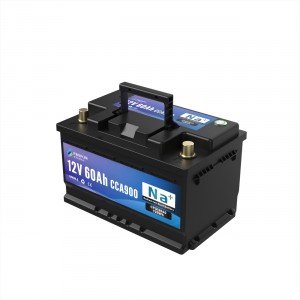
Beyond EVs, sodium-ion technology is also finding a role in low-voltage applications, like replacing traditional lead-acid starter batteries in hybrid and conventional vehicles. This shows the versatility and safety benefits sodium-ion batteries bring to the table.
Although the biggest adoption is currently in China, there’s growing interest in Europe and the U.S. — especially for affordable electric vehicles. With supply chain issues and rising lithium prices, sodium-ion batteries are attracting attention as a solid alternative for more sustainable, cost-effective EV options suitable for American drivers.
Leading Manufacturers and Innovations in Sodium-Ion Batteries
Some key players are driving the growth of sodium-ion battery technology in the automotive space. Energy densities over 175 Wh/kg and excellent performance even in extreme temperatures. This makes their batteries a strong contender for markets like the U.S., where cold-weather reliability is important.
From a future outlook, PROPOW is keeping a close eye on these innovations, aiming to integrate sodium-ion systems into dependable power solutions. Their insight reflects how sodium-ion battery companies are advancing rapidly, positioning these batteries as a realistic alternative for affordable electric vehicles in the near future.
Together, these manufacturers are shaping the sodium-ion battery market, improving not just cost and supply chain security but also enhancing charging speed, safety, and cold-weather performance—key factors for electric cars in the U.S. market.
Future Outlook for Sodium-Ion in the Automotive Industry
Sodium-ion batteries are set to play a bigger role in the automotive world soon. Experts predict that by 2030, these batteries will be common in entry-level EVs across the U.S., making affordable electric vehicles more accessible to everyday drivers. We’re also likely to see hybrid lithium-sodium battery packs, combining the strengths of both technologies to improve range and performance.
The market for sodium-ion battery EVs is growing fast, shifting from a niche option to a mainstream choice—especially in cost-sensitive segments where lowering battery costs is key. Continued research and development are tackling current limitations, aiming to boost energy density beyond 200 Wh/kg. This improvement could narrow the gap with lithium-ion batteries and expand sodium-ion’s appeal further.
Sodium-ion technology fits well into the push for sustainable mobility. It offers a complementary alternative to lithium-ion batteries by reducing reliance on scarce metals and cutting environmental impact.
Key future highlights include:
- Wider adoption in affordable EVs by 2030
- Potential hybrid lithium-sodium battery systems
- Ongoing R&D aimed at higher energy density (200+ Wh/kg)
- Strong role in sustainable, cost-effective electric mobility
For U.S. customers looking for electric car battery alternatives, sodium-ion batteries represent a promising option that could balance cost, safety, and environmental concerns while keeping EVs easy to own and use.
Post time: Dec-15-2025